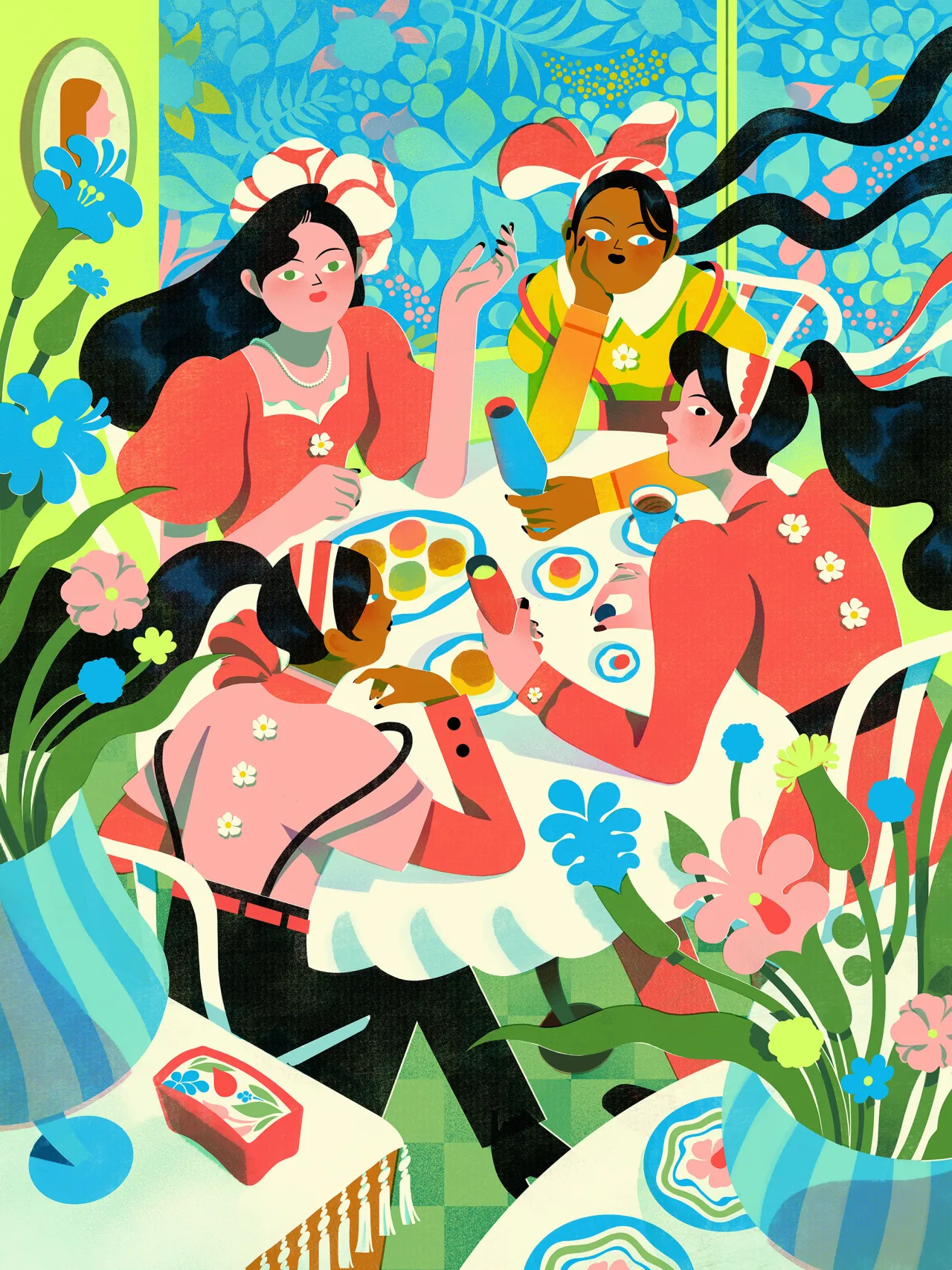
Fei Meng brings the spirit of classical portraiture to modern editorial and advertising illustration
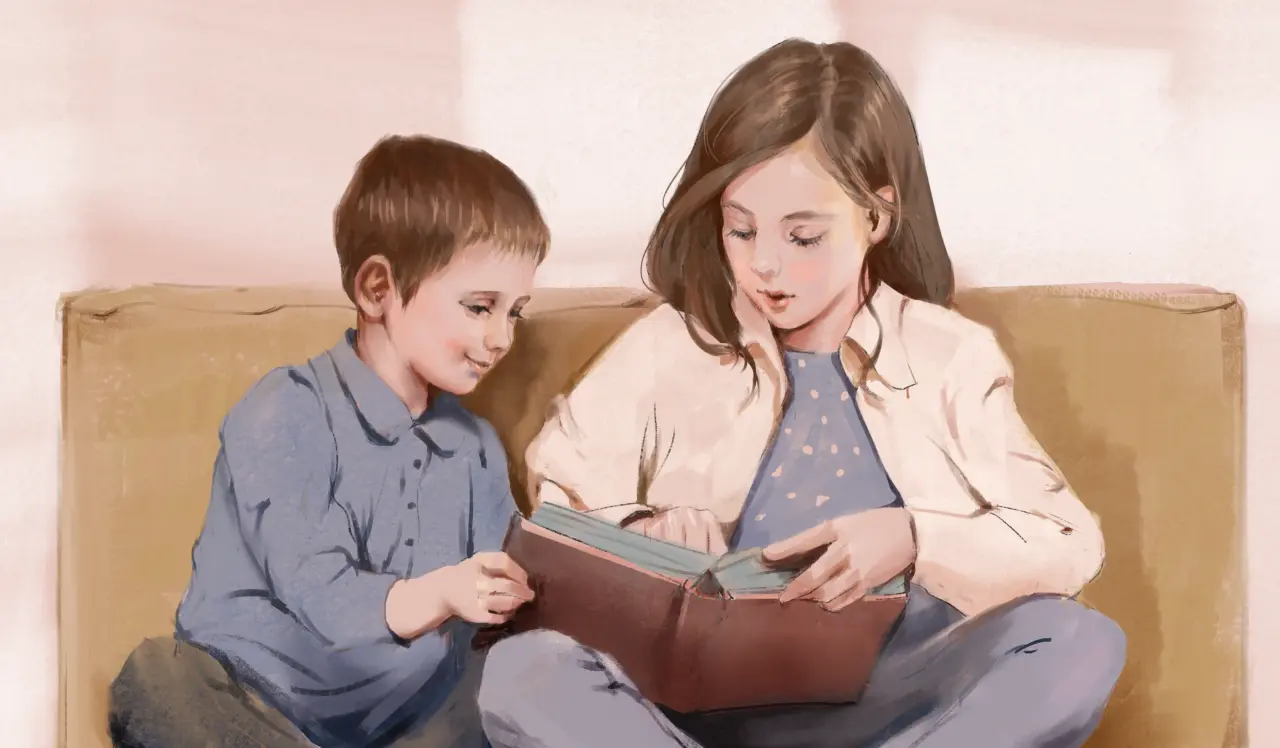
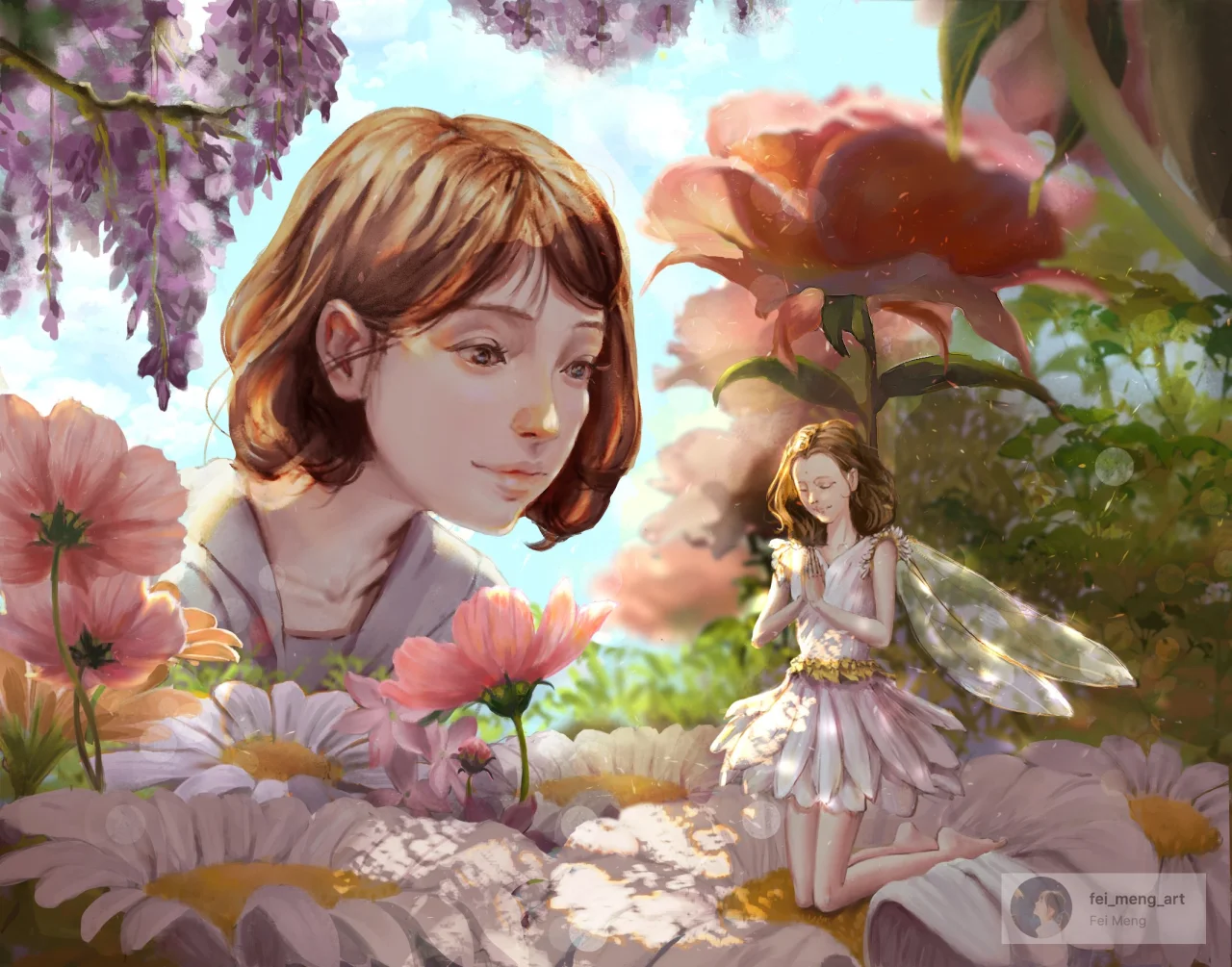
Her evocative work reminds me of the storybooks of my 1970s childhood—only reimagined for the digital age.
Originally from China, Fei Meng lived in the UK for 15 years before relocating to New York in 2024. She's spent the last six years crafting character-driven illustrations for media publications and private commissions. And I'm not surprised she's been so successful, because her work evokes something in me that I haven't experienced in a long time.
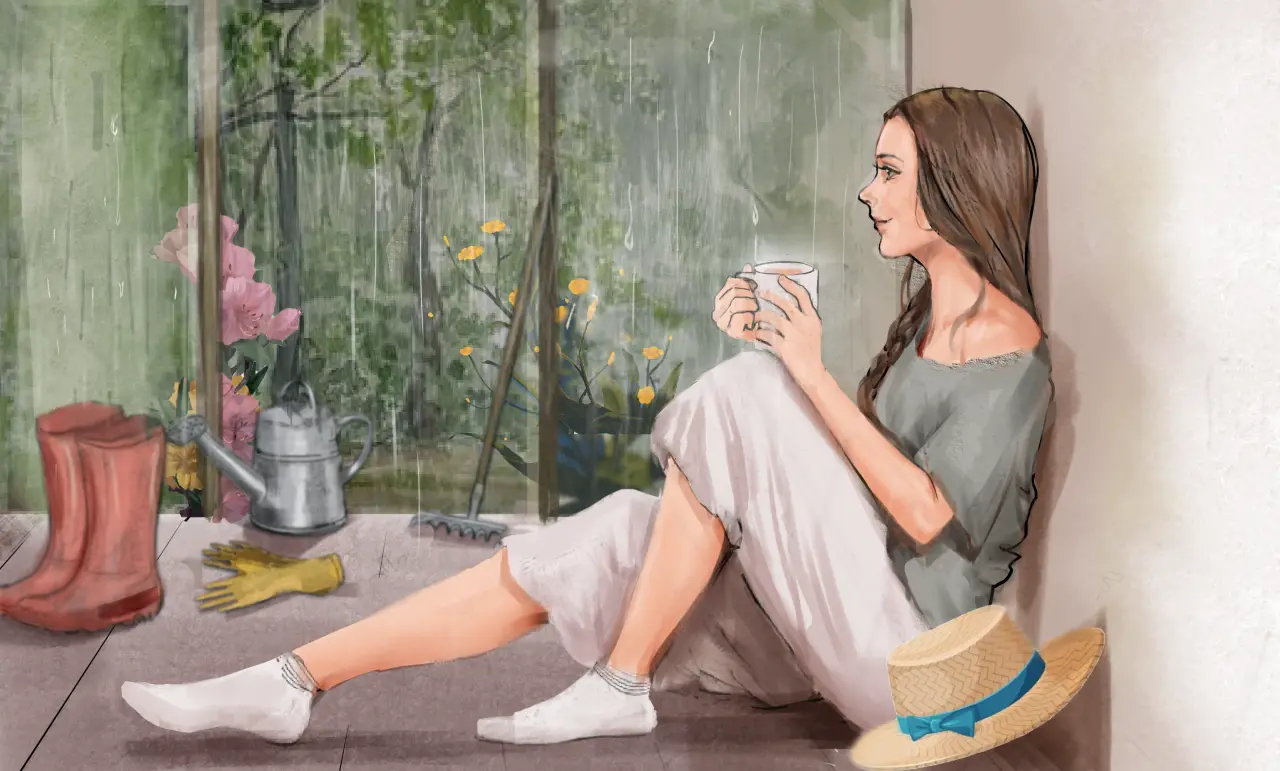
While Fei's illustrations are profoundly modern, they're built on the endearing simplicity and soft-focus warmth of the kind of children's book illustrations I grew up with in the 1970s. The kind that made me look forward to bedtime as a tiny tot, and encouraged me to read avidly as an older kid.
In 2026, this approach helps her art stand out in a crowded field of highly stylised, yet often similar-looking work. So how did she get here? Well, it wasn't the usual illustration-school pipeline, that's for sure.
Classical training
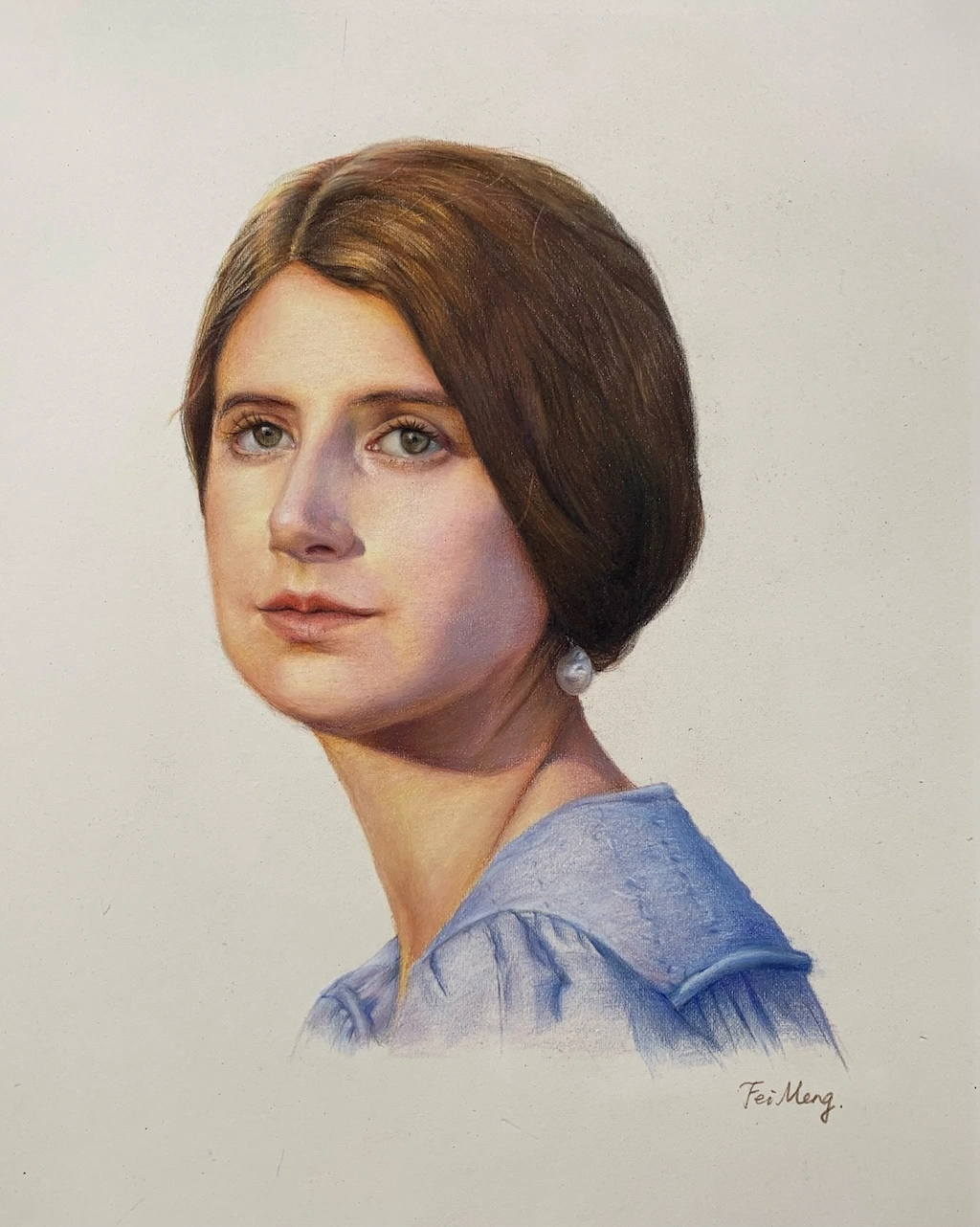
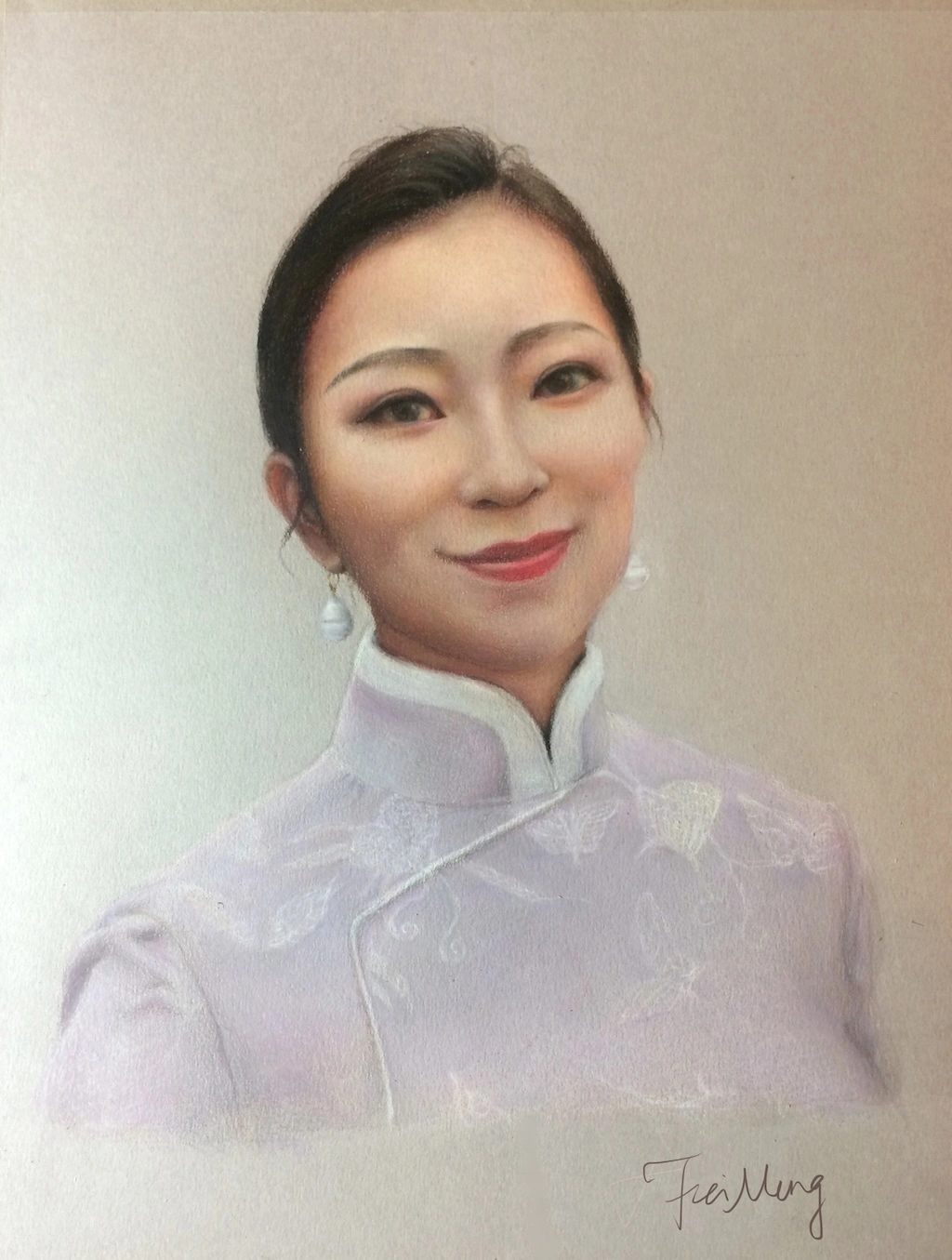
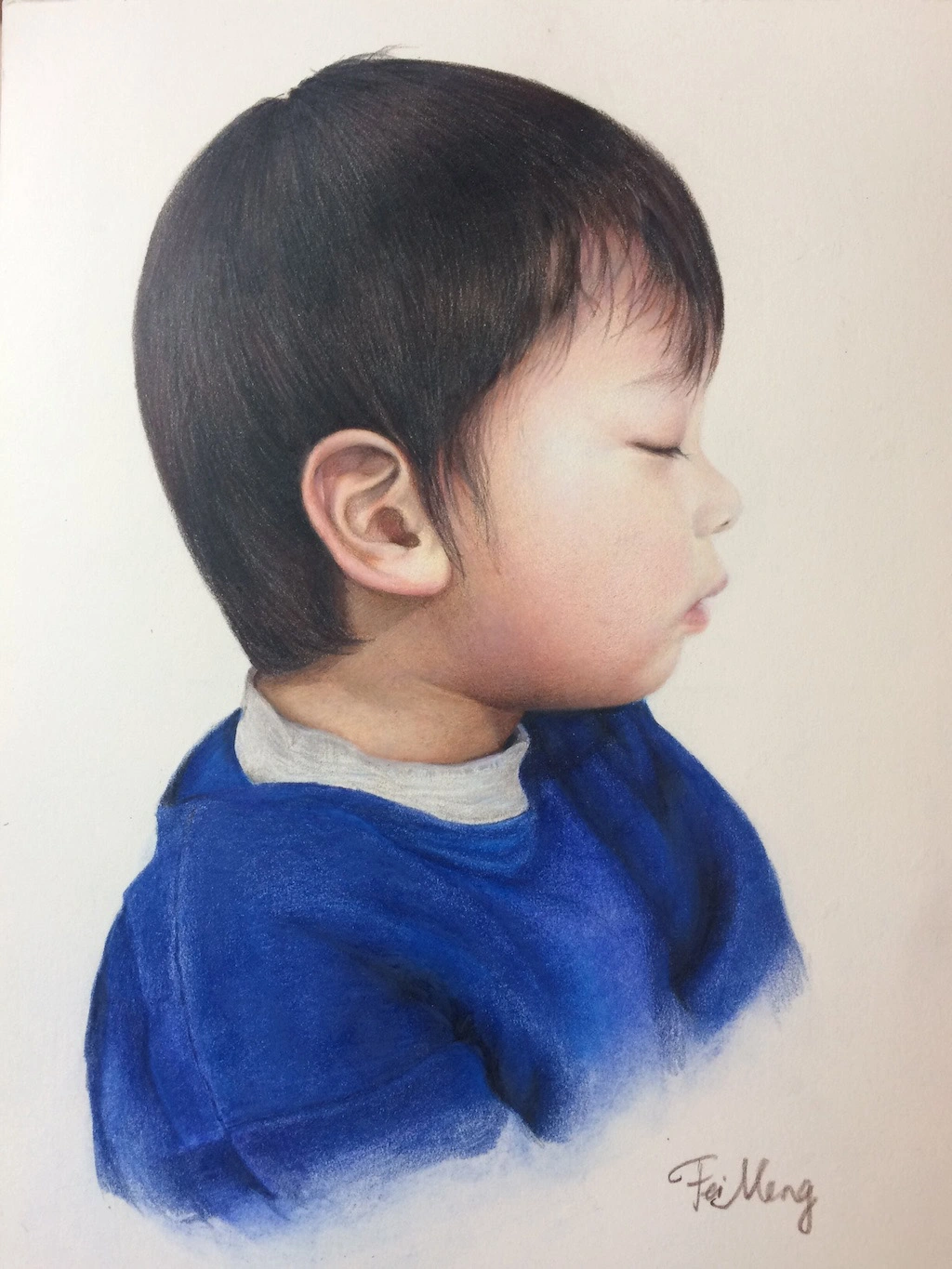
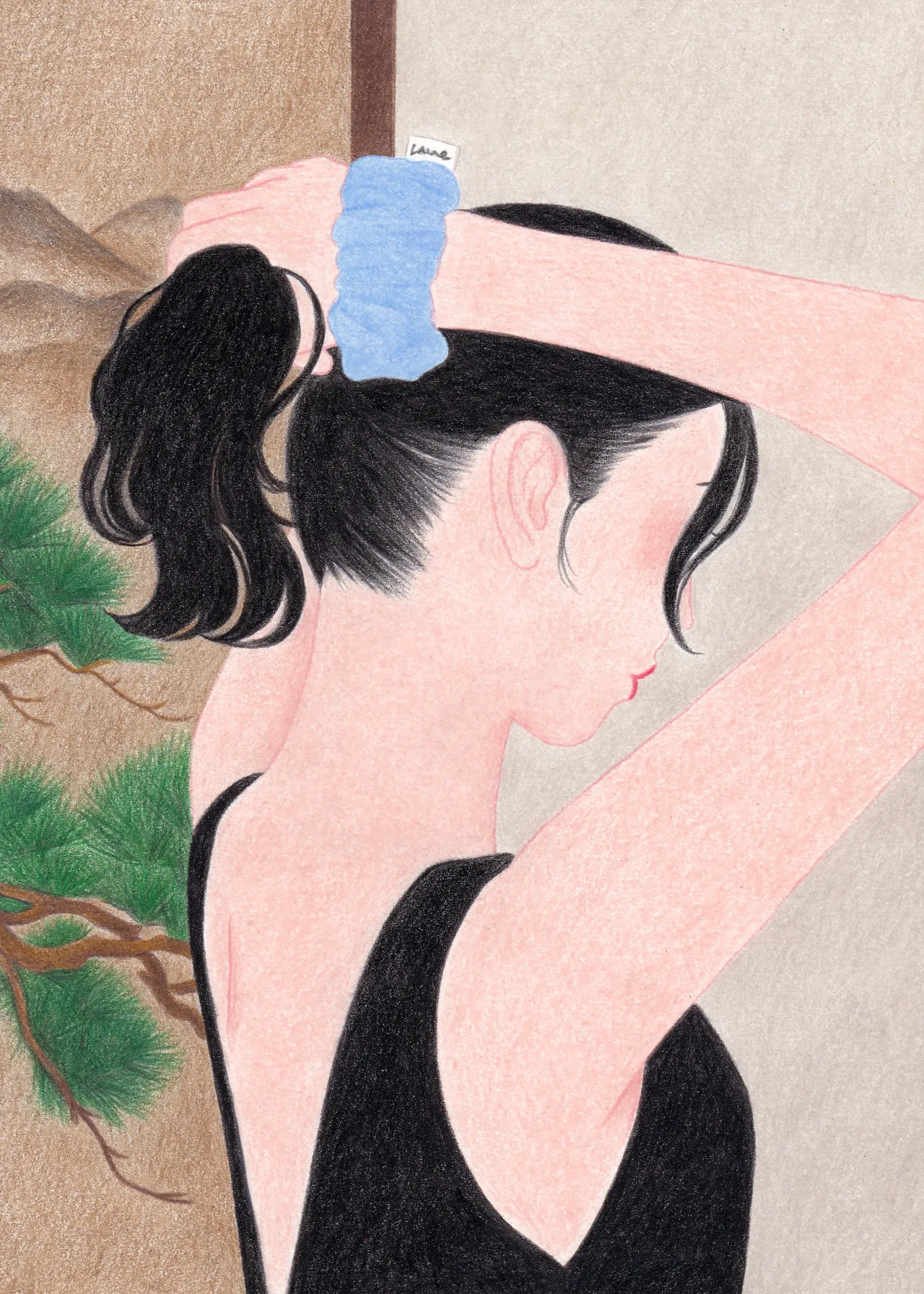
Fei trained as a classical portraitist, which meant years immersing herself in the science and practice of how our bodies look, feel and function. "I spent years studying the human figure: anatomy, form, colour, light, and, most importantly, how subtle changes in a face can communicate emotion," she remembers.
Her coloured-pencil portraits were eventually selected for the Royal Society of British Artists' Rising Stars exhibition in London. But she didn't want to create art for art's sake. "Over time, I became increasingly curious about where these traditional skills could go beyond the portrait itself," she reflects.
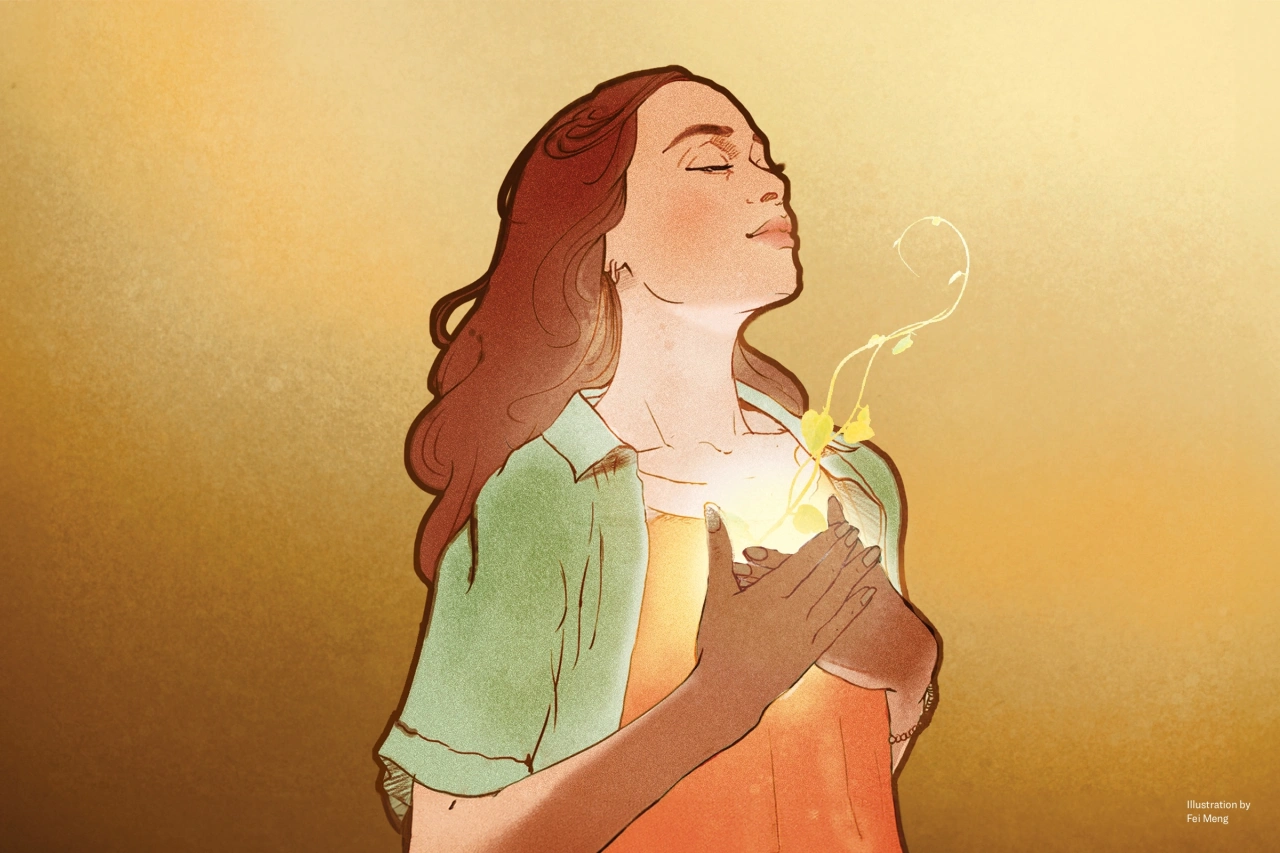
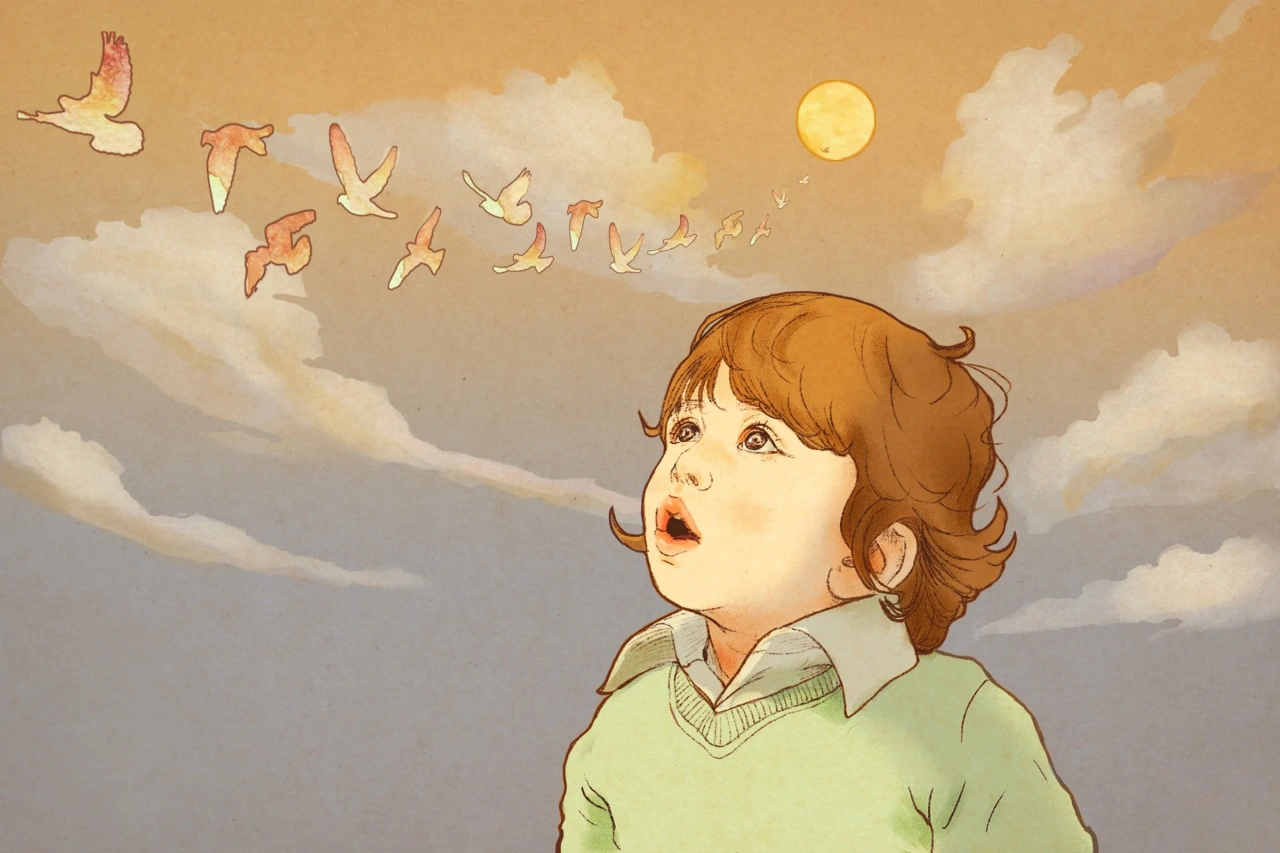
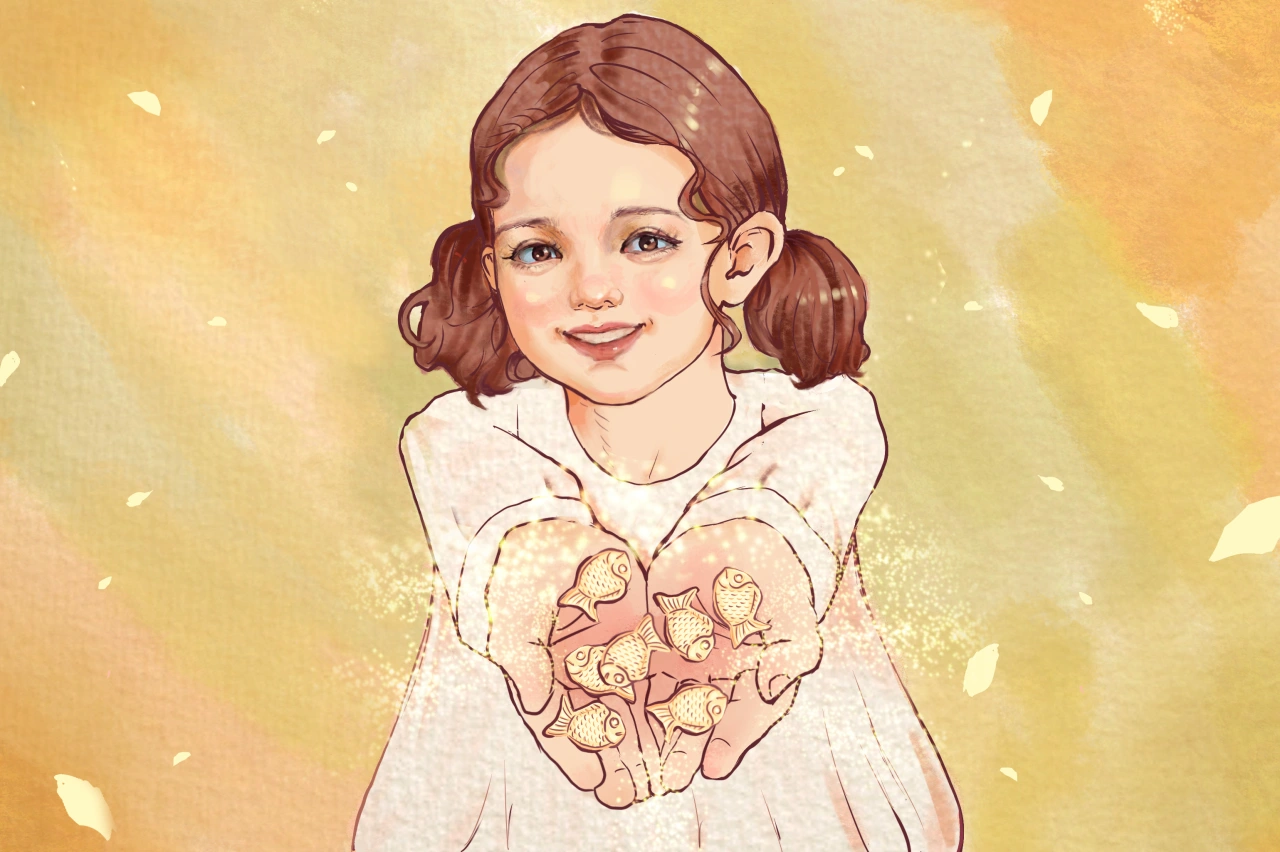
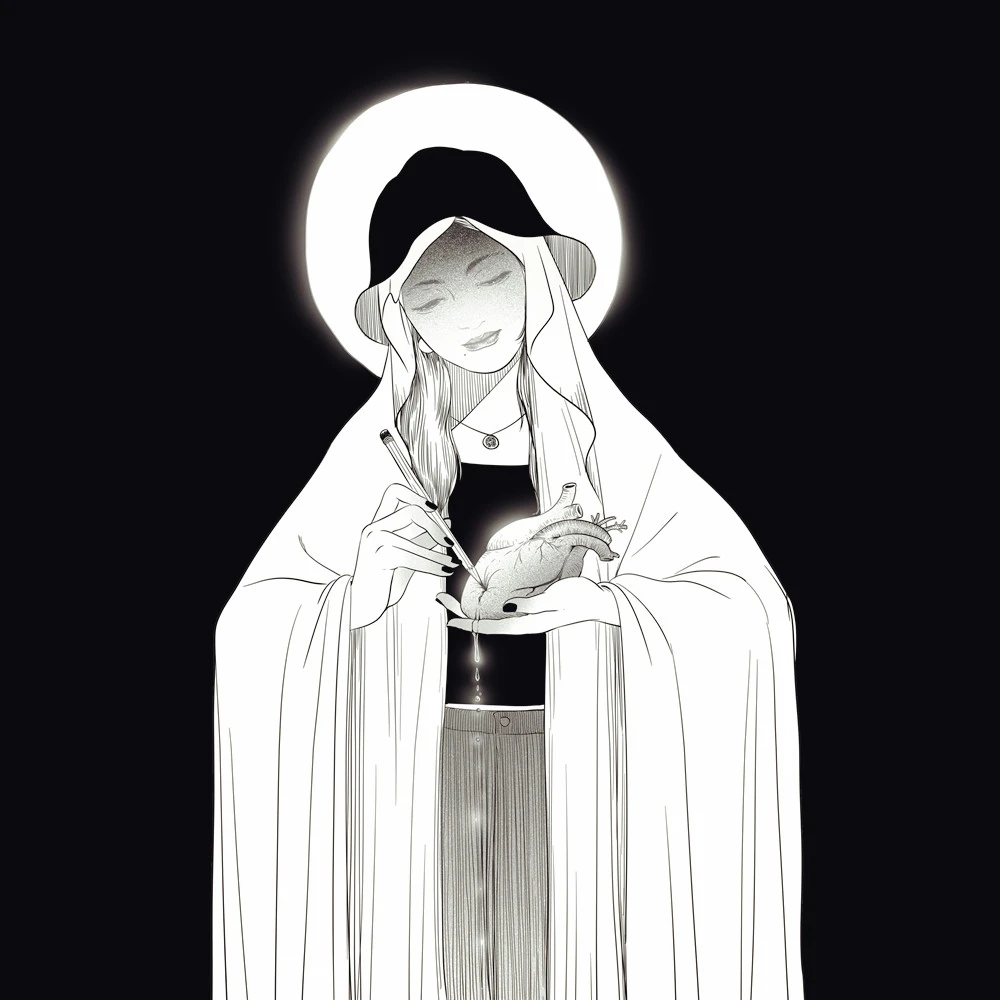
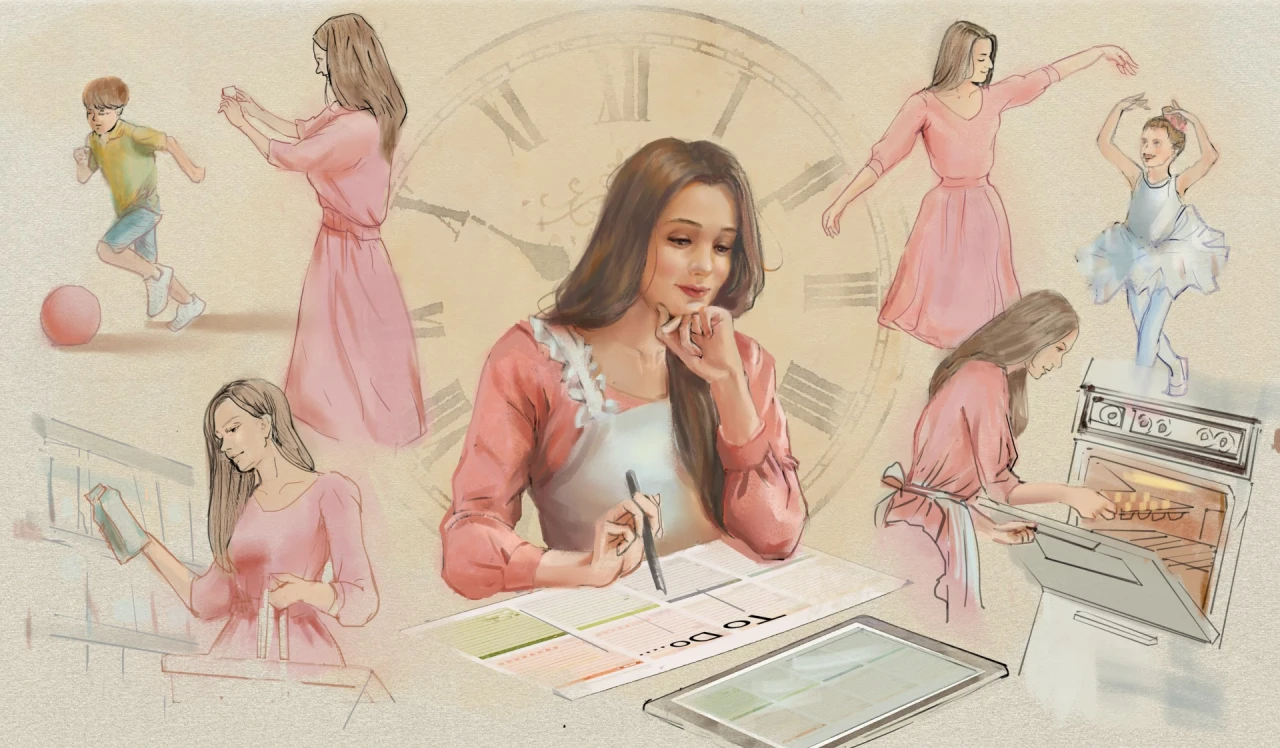
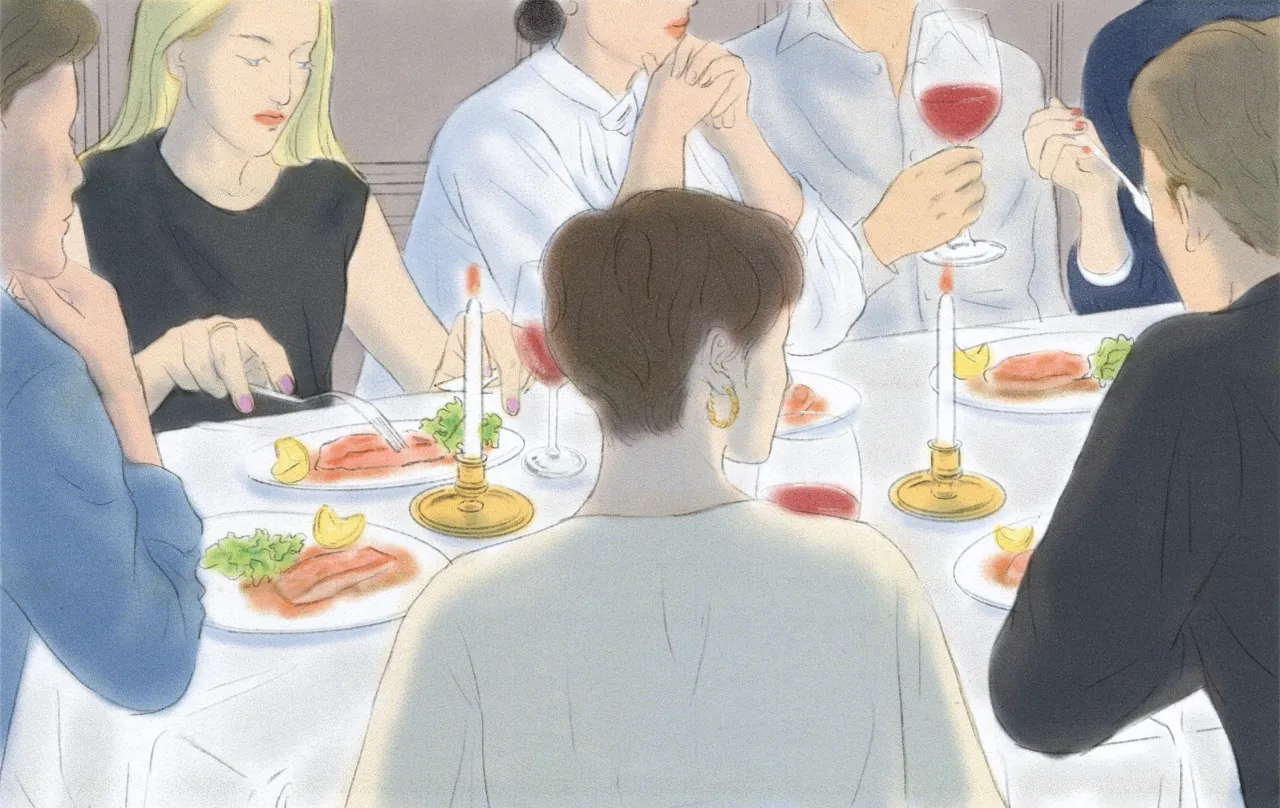
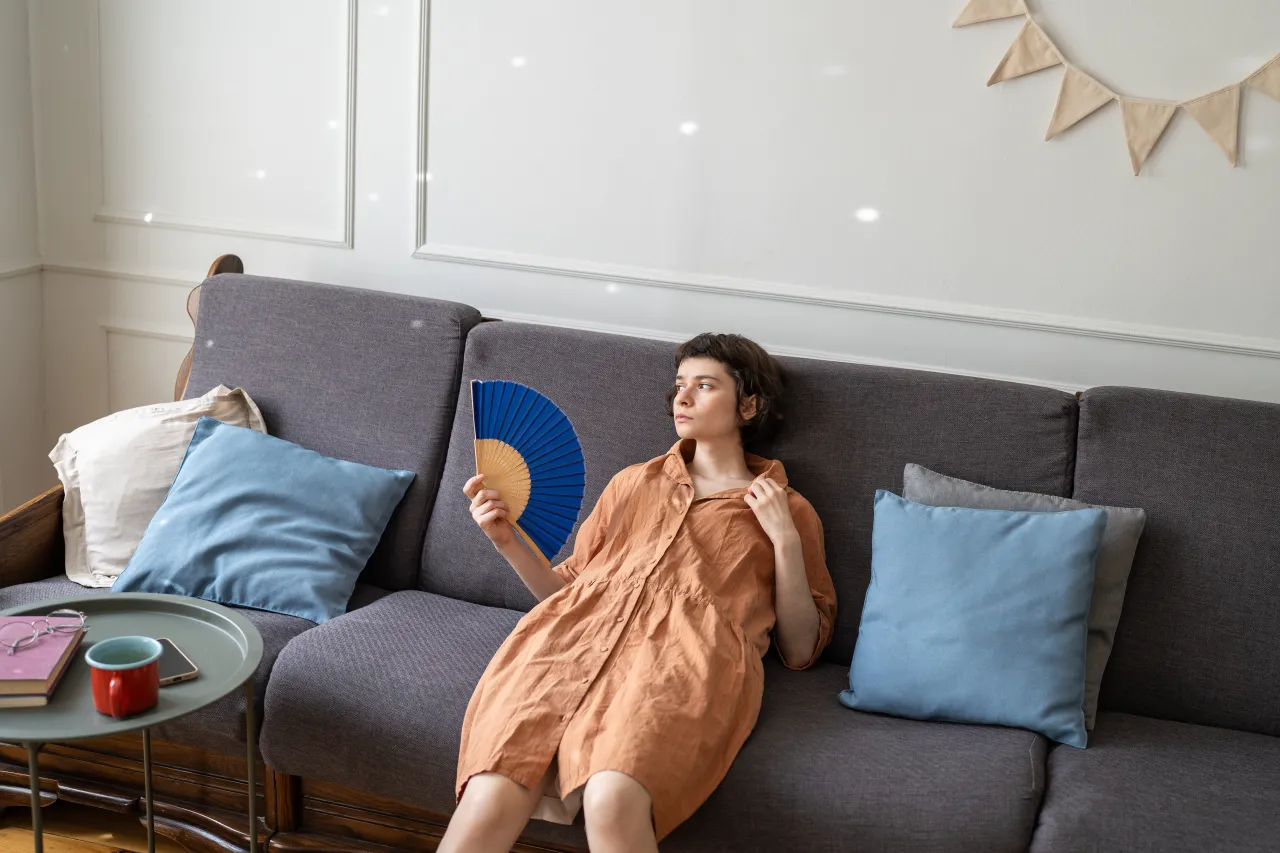
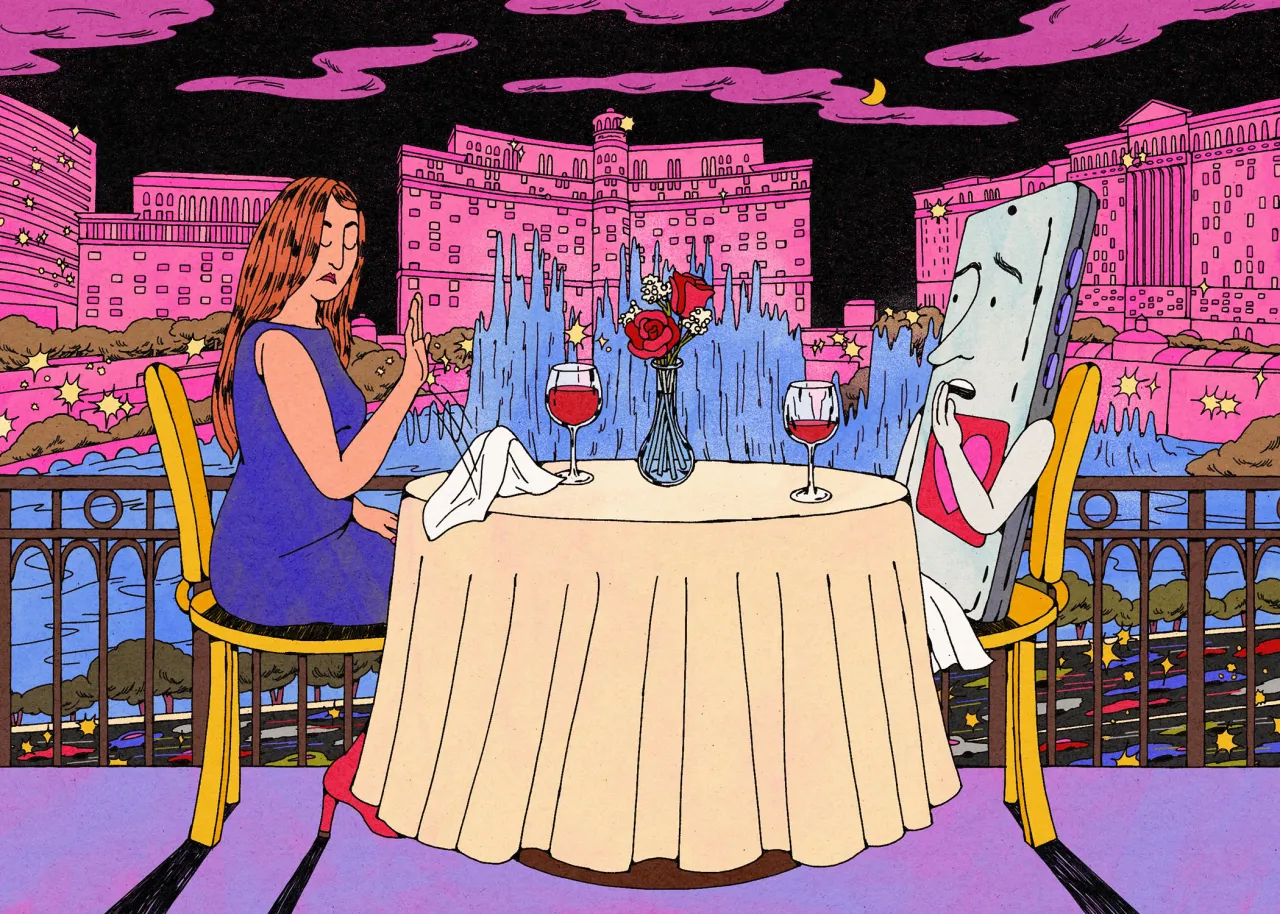
Editorial illustration became one part of the answer. In a series of illustrations for the US media outlet, The Epoch Times, she began using the same understanding of expression, gesture, light, and colour to translate written ideas into visual stories.
"Some accompanied columns written during the pandemic about people's emotional experiences; others explored the relationship between mental and emotional states and physical health. Rather than illustrating the text literally, I try to distil an article into its emotional or conceptual essence and find a single image that can carry it."
To advertising and beyond
She later brought this character-driven approach into advertising illustration. "Here, the challenge changed again: I was telling a story around a commercial product. Instead of simply placing a scarf, handbag or piece of jewellery in an image, I used the figure—her expression, gesture, clothing and environment—to give the product a character and a world to belong to."
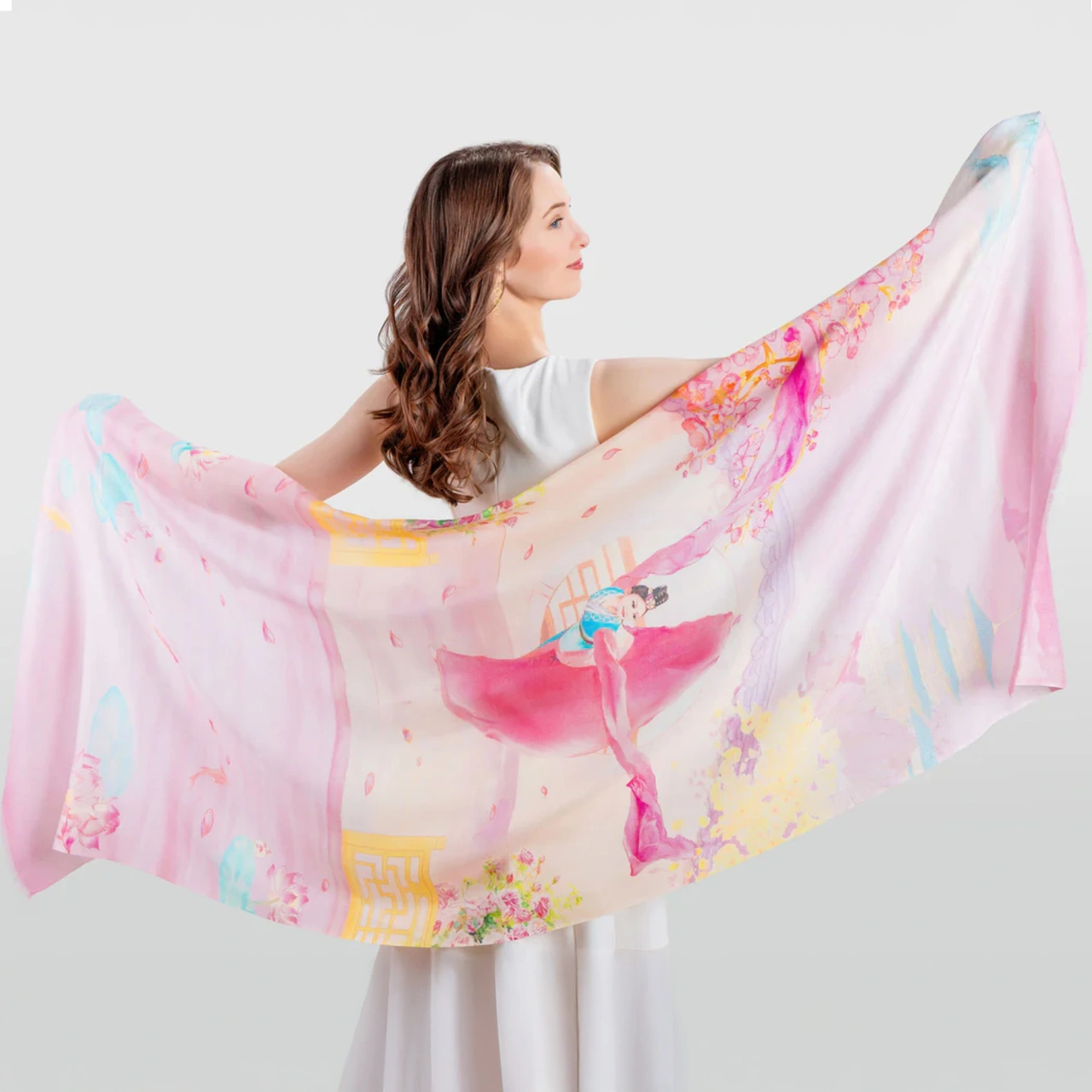

Eventually, illustration moved from communicating the product to becoming the product itself. "I began developing artwork for silk scarves, adapting composition, colour and narrative to a surface that would be folded, wrapped and worn." One of these scarf illustrations, Four Seasons, won an A' Design Award.
Although these works appear in very different contexts—a portrait on paper, an editorial image, an advertisement or a silk scarf—she doesn't see them as separate practices. "The same principles run through all of them: understanding the figure in three dimensions, observing how light describes form, using colour to create atmosphere, and finding the small gestures that make a character feel alive."
Immediate and thrilling
Understanding this progression—from fine art to editorial storytelling, and then from illustration into physical design—isn't just an interesting story about how traditional artistic skills can evolve across contemporary commercial contexts. It also helps explain why her work today feels so immediate and thrilling.
There are no shortcuts or shorthand here; instead, weight and structure lie beneath all that charm, lending it a maturity and authority that so much modern illustration lacks.
Fei didn't set out with a five-year plan to become an editorial illustrator. She followed her instincts and interests wherever they took her, knuckled down and did the work, and let it lead her into new and different places.
It's a reminder that once you learn and develop the fundamentals of drawing—light, gesture, emotional honesty—the world can truly become your creative oyster.






](https://media.creativeboom.com/1bb3b075-5133-4f0f-ba3f-990846e03f64/conversions/80c02674c86382c771c49e94d6353ee1ca7165d2-medium.webp)